
ATHENA|NICE BY VIGYAVED
MEMBERS · NOW LIVE

LONGEVITY INTELLIGENCE PLATFORM

ATHENA.

ADAPTIVE TRAJECTORY & HEALTH EVIDENCE NETWORK FOR AGING

We don't tell you when you'll die. We show you what most threatens your future health, what the evidence says, and exactly what you can change.

Unlock ATHENA access
ALSO ON MOBILEApp StoreGoogle Play
CHRONOLOGICAL AGE
69
years lived
BIOLOGICAL AGE
77
ATHENA composite · +8 yrs
ESTIMATED HEALTHSPAN
83
central estimate · range 76–90

● Sample report — illustrative figures. ATHENA is in development.

Evidence, not fortune-telling.

ATHENA is a developing AI framework that models the multidimensional determinants of health trajectory and healthspan. Every risk it surfaces is tied to the strength of underlying clinical evidence — so guidance is transparent, auditable and actionable.

Evidence-graded risks
Each driver is scored against the quality and consistency of supporting clinical evidence.
Modifiable-first
Prioritizes what you can actually change, ranked by projected healthspan impact.
VISIONARIES

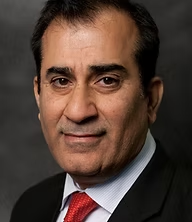
The minds behind ATHENA.

Dr. Sameer Mehta
Dr. Sameer Mehta
MD, FACC, MBA · Interventional Cardiologist · Chairman, Lumen Foundation

Sameer Mehta, MD, FACC, MBA, is a U.S. interventional cardiologist who has presaged a new medical specialty of the STEMI Interventionist with his innovative work in performing angioplasty for treating heart attacks. Dr. Mehta has pioneered the development of population-based heart attack programs in several countries including China, India, Brazil, Russia, Malaysia, Indonesia, Cambodia, Myanmar, Bangladesh, Egypt, Thailand, Puerto Rico, Mexico and Colombia. He is Chairman of the Lumen Foundation, dedicated to saving lives from heart attacks and creating population-based STEMI networks, and Course Director of Lumen Global, the iconic AMI meeting now in its 16th year. Dr. Mehta has published extensively on improving STEMI outcomes by optimizing procedural techniques and refining the STEMI process — eliminating chaos, streamlining pre-hospital care and efficient ambulance transportation to decrease delays that increase morbidity and mortality from AMI. More recently his research and training in AMI care has involved telemedicine to reduce disparities of care between developed and developing countries and increase access to urgent treatment for AMI.